Team
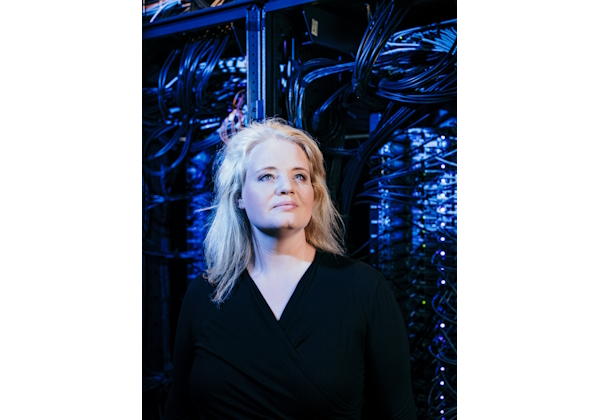
Prof. Zweig is a biochemist and computer scientist with a special focus on how to communicate the results of computations, i.e., whether what is actually computed matches with how people talk about it. She has done research in the analysis of complex networks ("Network Analysis Literacy", Springer, Wien, 2016) and into the regulation of algorithmic decision making/supporting systems. 2018-2023 she headed an interdisciplinary project on "Deciding by, about and with Algorithmic Decision Making Systems", founded by the Volkswagen Stiftung in which she worked with Prof. Dr. Anja Achtziger. In this new project, they explore the question of whether xAI approaches can actually achieve what they are thought to be able to achieve. As a docent, Prof. Zweig develops and coordinates the unique field of study called Socioinformatics at the RPTU Kaiserslautern-Landau, an interdisciplinary field concerning with assessing the technological consequences of informatic artifacts. Next to research and teaching, Prof. Zweig is an active communicator of science (See "Ein Algorithmus hat kein Taktgefühl", 2019; "Die KI war's", 2023; "Weiß die KI, dass sie nichts weiß", Autumn of 2025; Heyne-Verlag München + "Awkard Intelligence", MIT Press, 2021).
Prof. Dr. Anja Achtziger
Zeppelin Universität Friedrichshafen, FB Sozial- und Wirtschaftspsychologie
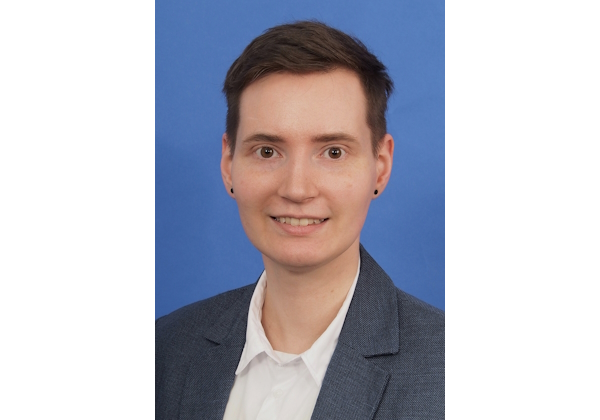
Alexander Wilhelm is a computer scientist interested in the social consequences of software. He is currently doing his Master’s in Socioinformatic at the RPTU Kaiserslautern-Landau.
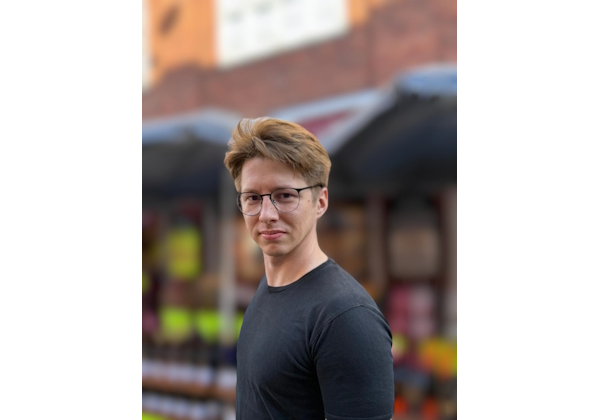
Dr. Dmitrii Galkin is an economist and social scientist specialising in experimental and behavioral economics, with a strong focus on survey and experimental design. He brings his social science expertise to the Trademas project, applying experimental methods and data analysis to study behavioral responses to XAI (Explainable AI) methods. His PhD research at the University of Wuppertal examined the effects of relative performance evaluation on individual strategies and market dynamics. His work integrates econometrics, game theory, and policy analysis to provide insights into human behavior, incentives, and economic systems.
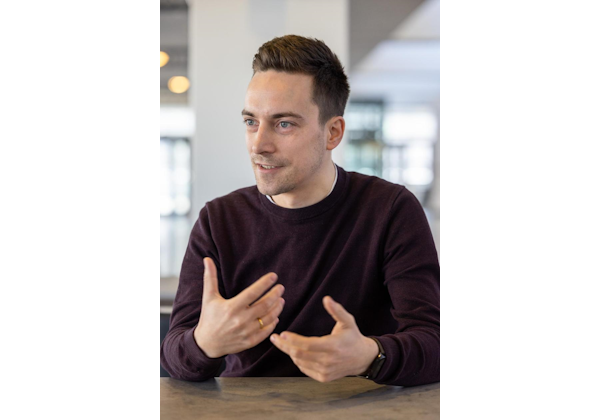
Lukas Brand completed his studies as a Magister of Theology at Ruhr University Bochum in 2017. Until 2024, Brand was a research associate and doctoral candidate at the Chair of Philosophy of Religion and Science Theory at RUB. Since January 2024, Lukas Brand has been a research assistant at the Algorithm Accountability Lab of RPTU. In April 2024, Brand submitted a doctoral thesis titled "The Reproduction of Humanity in the Medium of Technology". At RPTU, Brand particularly researches the thesis of the emergence of thinking and understanding in language models. In public talks, workshops and seminars Lukas Brand conveys the results of his research to a broader audience. He organizes conferences and workshops on anthropology and AI, transhumanism and religious robotics.
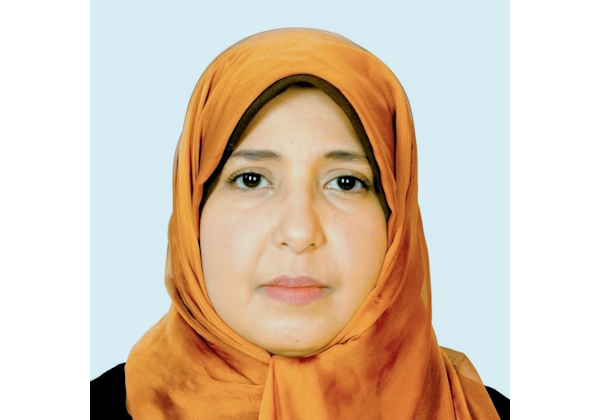
Reem Hassan Al-Aqmer is a Computer Science MS Graduate. Attentive to details to achieve thoroughness, accuracy, and consistency. Enjoys problem analysis and problem solving with creative tendency.
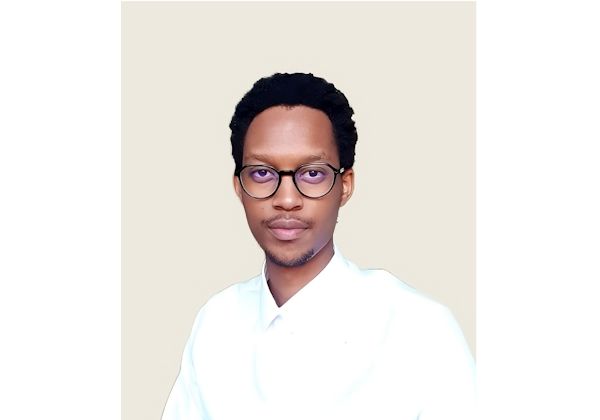
Dorcy Agape Hakizimana is a computer scientist who has done multiple projects at the RPTU Kaiserslautern-Landau.
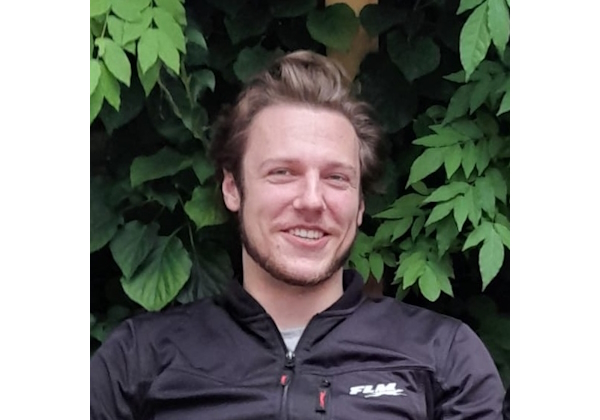
Torben Nattermann is a computer scientist doing his Master in Socioinformatics at the RPTU Kaiserslautern-Landau.
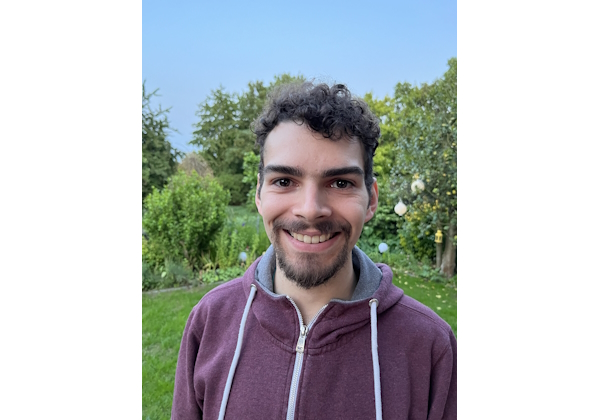
Cameron Strenge is a computer scientist doing his Master in Socioinformatics at the RPTU Kaiserslautern-Landau.
Ehemalige Mitglieder
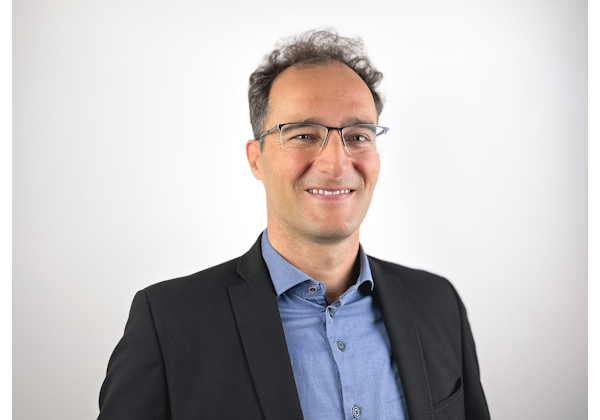
Dr Darko Obradovic completed his studies of Computer Science at the TU Kaiserslautern in 2006 and worked from 2007 to 2015 at the German Research Centre for Artificial Intelligence, the DFKI, in the area of network algorithms used to analyse structures and contents in social media. He completed his doctorate in 2013 and achieved about 20 international publications and 3 Best Paper Awards during this time. From 2015 to 2024, he worked as a product manager and head of development in the field of AI-based process automation at Insiders Technologies, focusing on Natural Language Processing (NLP), Computer Vision (CV) and full-stack application. Since December 2024, he has been working in the AG "Algorithm Accountability" of the RPTU in the area "Explainable AI" focusing on language models.
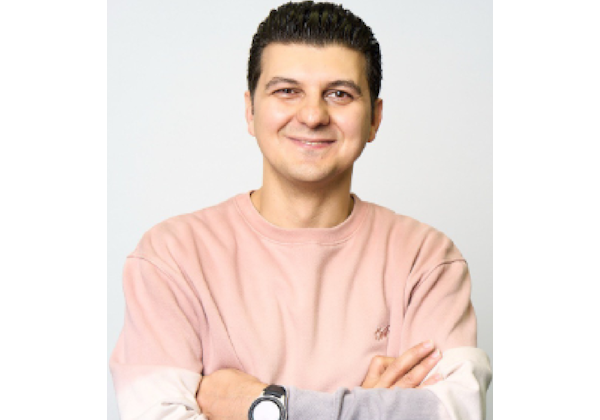
Manuel Faraji is a post-doctoral researcher at Zeppelin University. He has a PhD in Economics, Management, and Organization (on-going) and completed a Master in Management, Organization and Business Economics at the Autonomous University of Barcelona, as well as in Public Administration, Change Management at Iran Azad University and a Bachelor in Computer Engineering at Shiraz University. He was a Research Assistant at the Autonomous University of Barcelona, IESE Business School, and the Pompeu Fabra University where he also worked as a Lecturer.